On Designing
I never quite understood how to start things in life. You know that feeling? There are always two paths staring at you - either dive deep into all the available knowledge, take every course, learn every principle or just start creating.
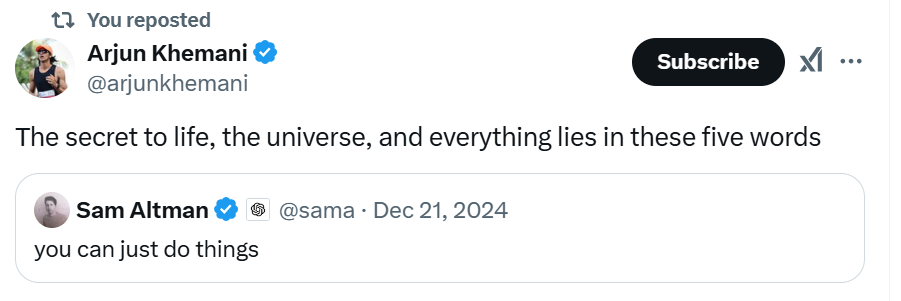
Isn't design born from curiosity? Why do we need courses to create something beautiful? Ugg!! Life's full of these contradictions. Let me share how a non-designer found their way into design without a fancy degree.
I was that frontend developer who got more excited about CSS than complex logical code. Always surrounded by Figma files from our designers, I fell in love with the whole idea of design. There was something magical about how people could think critically and turn abstract ideas into these eye-pleasing designs. I started binge-watching designs like Netflix shows, just soaking it all in.
Truth be told, I learned nothing about actual design principles at first. Just one book changed everything - "Refactoring UI" by Adam Wathan and Steve Schoger. That was my turning point. I stopped watching endless tutorials and jumped straight into Figma. Started by finding inspiration and designing screens - learning by doing, you know? But soon, doing it just for fun wasn't enough. I needed something deeper, more psychological in my approach. Taking care of the whole picture - simplicity, color, contrast, hierarchy, compositions - designing with intention.
Here are the few things that i have learned :
The Foundation: Start With Purpose
First things first - get crystal clear about what you're building and who it's for. This isn't about making pretty things just because. It's about solving real problems. Your audience shapes everything. And make decisions according to that, like: Go bold and vibrant for teenagers, but keep it clean and calm for healthcare professionals. Being an outsider is actually a superpower here - your mind isn't boxed in by theoretical knowledge, so you're free to make sense of things in your own way.
The Visual Language: Colors That Speak
I love colors - and I bet every designer does too. Colors aren't just colors. They're the life force of your design. They're emotions, messages, little guides for the eye. Start with one color that feels right for your product's personality. Build relationships between colors like you're creating a little family:
- Play with 5-7 shades of your main color
- Find secondary colors that feel like they belong together
- Follow that 60-30-10 rule if it feels right
- Keep things readable - good contrast is non-negotiable
Yeah, these are the "rules" of color theory, but don't let them cage you. Break them if it makes your design feel more alive and breathing.
Typography: Your Design's Handwriting
Typography is like handwriting - everyone's got their own style. It's your design's voice speaking to users. Keep it simple though:
- Stick to 2-3 font families tops
- Mix up sizes and weights to create clear importance levels
- Keep consistent spacing
- Never make people squint to read your text
It's all about feeling. Where should the text shout and where should it whisper? I love playing with different fonts, seeing how they change the whole vibe of a design.
Space and Structure: The Art of Nothing
The space between things? That's just as important as the things themselves. White space isn't empty. It's breathing room. It's like music, The pauses between notes are just as important as the notes themselves. Sometimes what you leave out speaks louder than what you put in.
The Journey Keeps Going Design isn't some destination you reach but it's a never-ending journey of learning and growing. You don't need a degree to create meaningful designs. You need curiosity, empathy, and the guts to keep trying new things. Every design teaches you something, even the ones that flop. Maybe especially those. Start somewhere. Anywhere. But start with purpose and keep asking questions. Why does this element exist? How does it help someone? Could it be simpler? Better? Clearer?
Being self-taught isn't a limitation, It's just a different path to the same place. Keep designing, keep learning, and most importantly, keep questioning everything. After all, design isn't about following rules. It's about understanding them well enough to know when they need breaking. Remember, your unique perspective is your strength. Keep pouring your heart into your designs, and they'll speak for themselves.